This post may contain affiliate links. We may earn a small commission at no extra cost to you. See our disclosure policy.
Nothing ruins a perfectly styled blowout quite like stepping outside into thick, muggy air and watching your hair transform into a frizzy mess within minutes. If you’ve ever spent precious morning time creating sleek locks only to have humidity turn them into an unruly mane by lunchtime, you’re definitely not alone. The struggle is real, especially during those sweltering summer months when the air feels heavy enough to swim through. But here’s the thing – knowing how to style hair in humidity can completely change your hair game. With the right techniques, products, and a few insider tricks, you can actually work with moisture in the air instead of constantly fighting against it.
Table of Contents
- Why Your Hair Goes Haywire When Humidity Strikes
- Start With Anti-Humidity Products Before You Even Touch a Styling Tool
- The Right Way to Dry Your Hair When the Air is Already Wet
- Q&A
- Final Thoughts
Why Your Hair Goes Haywire When Humidity Strikes
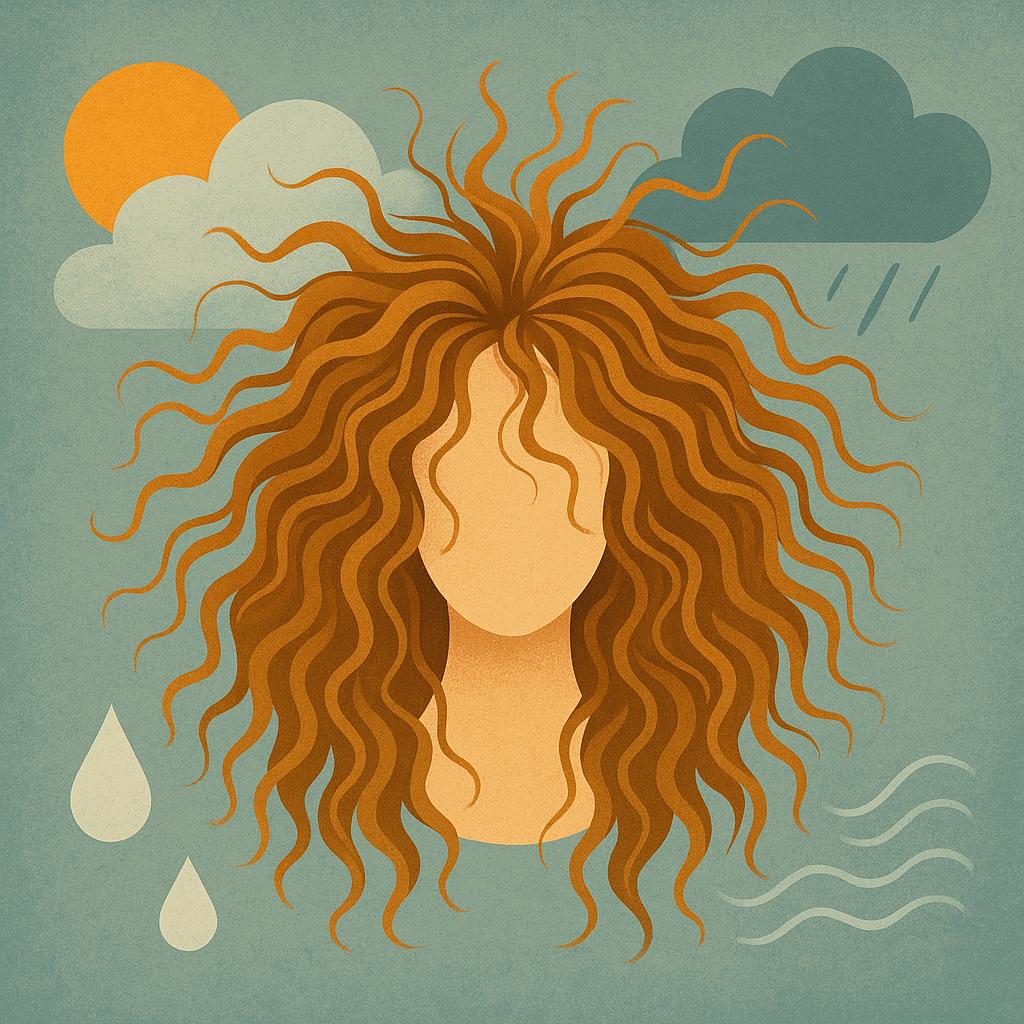
Picture this: you spend twenty minutes perfecting your sleek blowout, step outside, and within minutes your hair transforms into a frizzy mess that defies all logic. Sound familiar? The culprit behind this hair horror story is humidity – that invisible moisture in the air that seems determined to sabotage your styling efforts. When humidity levels rise, your hair acts like a tiny sponge, absorbing water molecules from the environment and causing your carefully crafted style to expand, frizz, and lose its shape.
The science behind humidity havoc lies in your hair’s structure. Each strand is made up of proteins that form hydrogen bonds, and these bonds are incredibly sensitive to moisture. When humid air hits your hair, it breaks down these bonds and reforms them in new positions, causing your hair to change shape – literally. This is why straight hair becomes wavy, wavy hair turns into a frizz fest, and curly hair transforms into an uncontrollable cloud. Different hair types react differently to humidity, but understanding your hair’s porosity level is key to fighting back.
| Hair Type | Humidity Reaction | Key Challenge |
|---|---|---|
| Fine/Straight | Becomes limp and loses volume | Maintaining body and texture |
| Thick/Coarse | Expands and becomes unruly | Controlling volume and frizz |
| Curly/Textured | Frizzes and loses curl definition | Preserving curl pattern |
| Color-Treated | Highly reactive to moisture | Managing increased porosity |
Pro Tip: Check your area’s humidity forecast before styling – anything above 60% humidity calls for serious anti-frizz preparation, while levels above 80% require your strongest humidity-fighting arsenal including [PRODUCT LINK: anti-humidity serum] and protective styling techniques.
Start With Anti-Humidity Products Before You Even Touch a Styling Tool
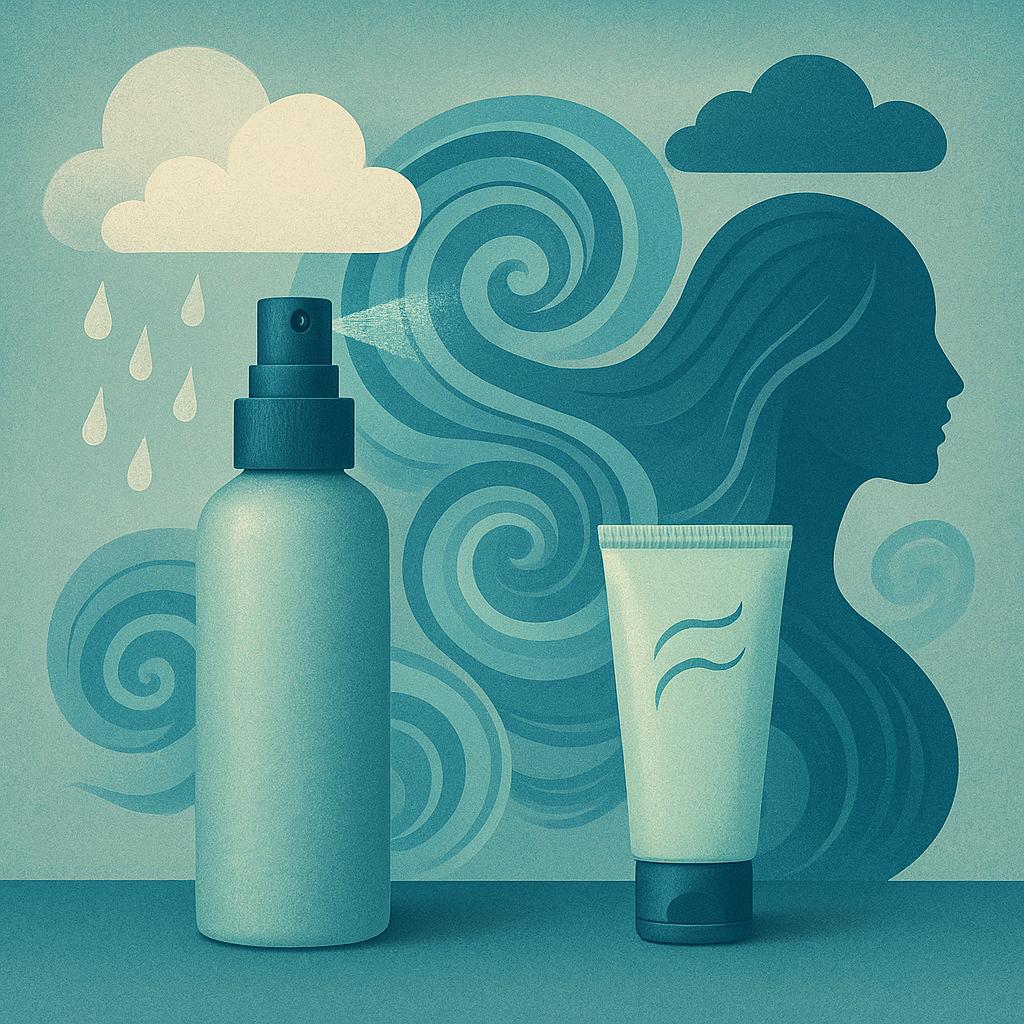
The secret to humidity-proof hair lies in your prep work, not just your styling skills. Before you even plug in your blow dryer or heat up your straightener, you need to create a protective barrier that locks out moisture from the air. Anti-humidity products work by forming an invisible shield around each strand, preventing water molecules from penetrating the hair cuticle and causing frizz, expansion, or complete style collapse.
Think of these products as your hair’s insurance policy against the weather. They’re formulated with ingredients like silicones, polymers, and moisture-blocking agents that create a smooth, sealed surface on your hair. The key is applying them to damp hair before any heat styling, allowing the product to bond with your strands as they dry. This creates the foundation for a style that can actually withstand humidity instead of surrendering to it within minutes of stepping outside.
| Product Type | Best For | Application Method |
|---|---|---|
| Anti-Humidity Serum | Fine to medium hair | 2-3 drops through mid-lengths and ends |
| Humidity Shield Cream | Thick, coarse, or curly hair | Work through damp hair sections |
| Anti-Frizz Spray | All hair types, easy application | Mist evenly from roots to tips |
Your application technique matters just as much as the product you choose. Start with freshly washed, towel-dried hair that’s still damp but not dripping wet. Distribute your anti-humidity product evenly using a wide-tooth comb to ensure every strand is coated. Pay special attention to your hair’s most vulnerable areas – typically the crown, hairline, and any natural cowlicks where frizz tends to appear first.
- Less is more: Start with a small amount and add more if needed
- Focus on mid-lengths and ends: These areas are most prone to humidity damage
- Avoid the roots: Too much product can weigh down your hair and create greasiness
- Let it set: Allow 2-3 minutes for the product to penetrate before heat styling
Pro Tip: Apply your anti-humidity product in sections rather than all at once. This ensures even distribution and prevents over-application in any one area, which can lead to buildup and lackluster results.
The Right Way to Dry Your Hair When the Air is Already Wet
When humidity levels are high, your hair is fighting an uphill battle before you even start styling. The key is to remove as much moisture as possible while creating a protective barrier against the damp air. Start by gently squeezing excess water from your hair with a microfiber towel or cotton t-shirt – never rough terry cloth towels that create frizz. Apply a [PRODUCT LINK: heat protectant spray] from mid-length to ends, followed by a humidity-blocking serum that creates an invisible shield around each strand.
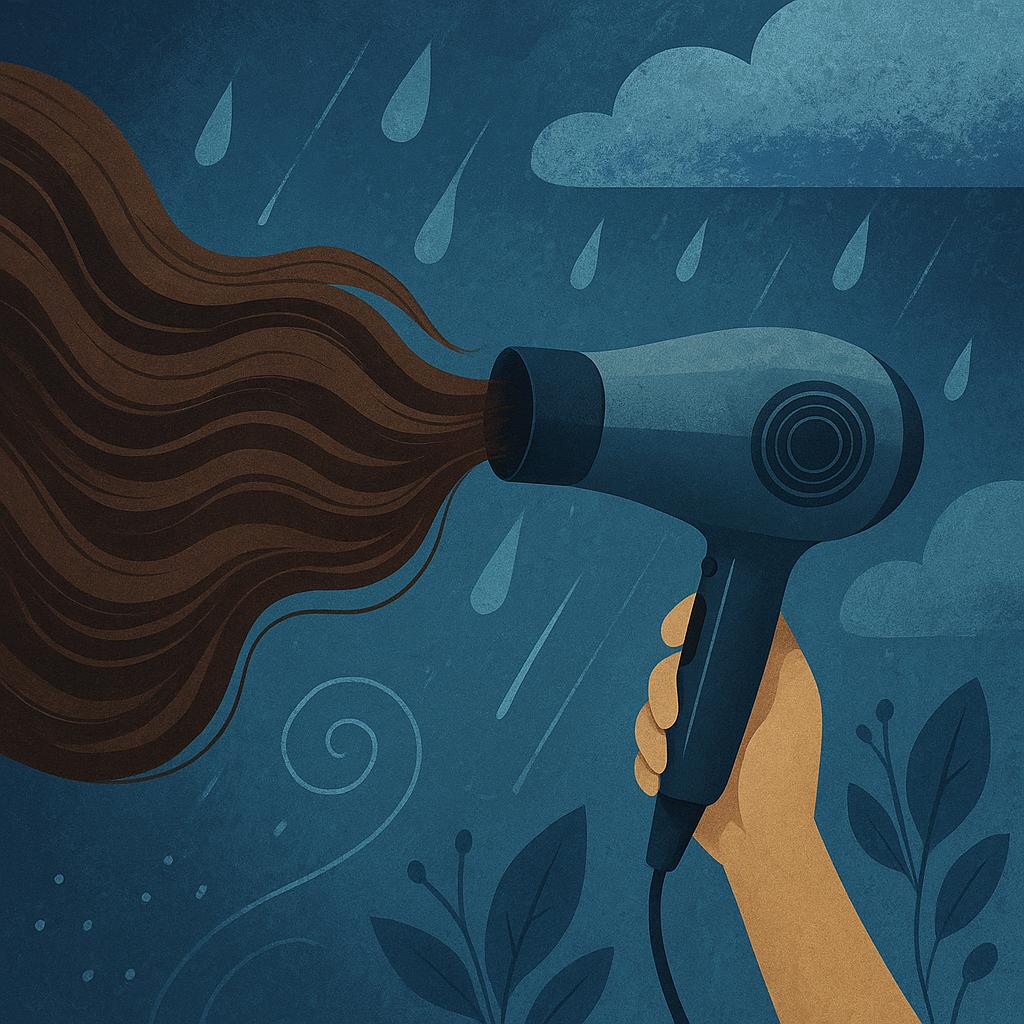
The drying technique itself is crucial for humidity resistance. Use the cool shot button on your blow dryer for the final 30 seconds of each section – this seals the hair cuticle and locks out moisture from the air. Always direct airflow from roots to ends, and keep the dryer moving to prevent heat damage. For extra protection, finish with a light mist of [PRODUCT LINK: anti-humidity hairspray] while hair is still slightly warm from styling.
| Hair Type | Drying Method | Best Products |
|---|---|---|
| Fine Hair | Medium heat, constant motion | Lightweight mousse, volumizing spray |
| Thick Hair | High heat, section by section | Heavy-duty serum, smoothing cream |
| Curly Hair | Low heat with diffuser | Curl cream, anti-frizz oil |
Pro Tip: Add a few drops of [PRODUCT LINK: hair oil] to damp hair before blow-drying – the oil acts as a moisture barrier while adding shine and preventing that dreaded humidity puff.
Q&A
Q: Why does my hair get frizzy in humid weather?
Humidity causes your hair cuticles to lift and absorb moisture from the air, which disrupts your hair’s natural structure. This leads to frizz, flyaways, and loss of your original style. Hair that’s already damaged or chemically treated is especially prone to humidity-induced frizz.
Q: What products should I use to protect my hair from humidity?
Use a leave-in conditioner or anti-humidity serum before styling to create a protective barrier. Look for products containing silicones or oils that seal the hair cuticle. Finish with a strong-hold hairspray that specifically mentions humidity resistance on the label.
Q: How can I keep my curls defined in humid weather?
Apply a curl-defining cream or gel to damp hair, then scrunch gently with a microfiber towel. Avoid touching your curls while they dry, and use a diffuser on low heat if blow-drying. Once completely dry, lightly scrunch out any crunchiness for soft, defined curls that resist humidity.
Q: What hairstyles work best in high humidity?
Embrace styles that work with texture rather than against it, like braids, buns, or textured waves. Low ponytails and sleek updos secured with bobby pins are also great options. Avoid styles that require pin-straight hair, as they’re most likely to fall flat or frizz up in humid conditions.
Q: Should I blow-dry my hair differently when it’s humid outside?
Yes, use a lower heat setting and always finish with a blast of cool air to seal the cuticles. Apply a heat protectant and smoothing serum before blow-drying, and use a round brush to create tension for smoother results. Work in small sections and ensure each piece is completely dry before moving on.
Final Thoughts
With the right products, techniques, and styling methods, you can absolutely conquer humidity and keep your hair looking gorgeous no matter what the weather throws at you. The key is being proactive with your routine and choosing styles that work with, rather than against, the moisture in the air.
So go ahead and embrace those humid days with confidence – your hair doesn’t have to be a victim of the weather! Try out these humidity-fighting tips on your next wash day and see the difference they make.
Pin this for later so you’ll be ready when the forecast calls for high humidity!
Loved these tips? Save this post to your Pinterest hair board and share it with a friend who needs a hair refresh!