Are you ready to breathe new life into your home? With the ever-changing landscape of interior design, keeping up with the latest trends can feel overwhelming. That’s why I created this guide—to help you navigate the exciting world of interior design trends that will transform your space. Whether you’re a seasoned decor enthusiast or just starting out, these trends can elevate your home from ordinary to extraordinary.
If you have a passion for making spaces feel warm and inviting or simply want to refresh your living environment, this post is for you. You’ll find valuable insights into styles and materials that not only look great but also resonate with your personal aesthetic. From bold colors to sustainable choices, I’m sharing 19 must-know trends that will inspire you to create a home that reflects your personality and meets your needs.
Get ready to discover practical tips and creative ideas that will help you embrace these trends. Each trend is designed to add flair and functionality to your home. Your living space will thank you for it!
Key Takeaways
– Bold Colors Are Making a Comeback: Don’t shy away from bright hues; they can add energy and life to any room. Think rich jewel tones or vibrant pastels to create a lively atmosphere.
– Sustainability Matters: Eco-friendly materials are not just trendy; they contribute to a healthier planet. Look for furniture and decor made from recycled or sustainable sources for a stylish yet responsible choice.
– Embracing Minimalism with Warmth: Minimalism doesn’t have to feel cold. Incorporate warm textures and colors to create a cozy vibe while maintaining a clean, uncluttered look.
– Multi-Functional Spaces Are Essential: As homes are evolving, so should your space. Design areas that serve multiple purposes, such as a home office that doubles as a guest room.
– Nature-Inspired Decor: Bringing the outdoors in can enhance your mood and well-being. Use natural elements like plants or wood finishes to create a peaceful, serene environment.
1. Bold Colors Are Back
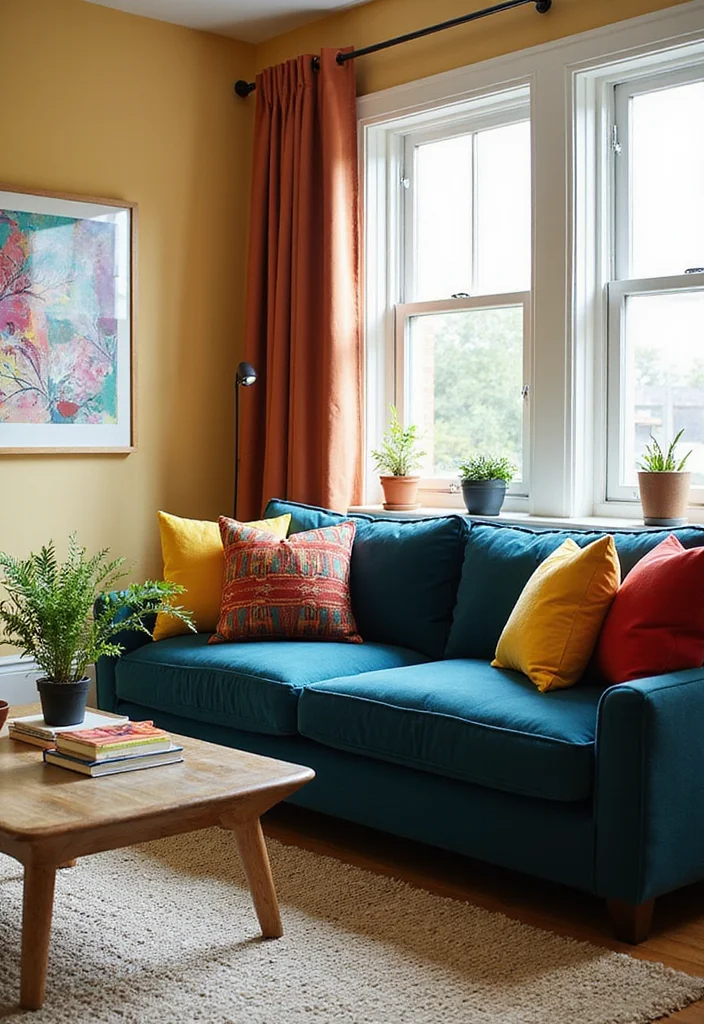
Bold colors are making a powerful return in the world of interior design. Vibrant hues like deep emerald, sunny yellow, and rich cobalt breathe life into spaces, creating an atmosphere that’s both energizing and welcoming. These striking colors can be beautifully integrated through accent walls, statement furniture, or eye-catching decor pieces. For example, a radiant yellow chair in a room filled with neutral tones can instantly elevate the energy and mood of the space.
To bring bold colors into your home, consider starting with smaller elements if you’re hesitant. Bright cushions or an artistic vase can make a striking impact without overwhelming the room. Explore local thrift shops for unique, colorful decor that fits your budget and aligns with current design trends, which emphasize personal expression and vibrancy.
Tips for incorporating bold colors:
– Start with accent pieces like cushions or throw blankets.
– Use art to introduce daring colors without overwhelming the room.
– Don’t shy away from mixing contrasting colors for a dynamic look.
Making bold color choices not only enhances your space but also reflects your personality, creating a home that feels uniquely yours. Balancing these vibrant tones with neutral elements can create a harmonious and cohesive design.
2. Sustainable and Eco-Friendly Materials
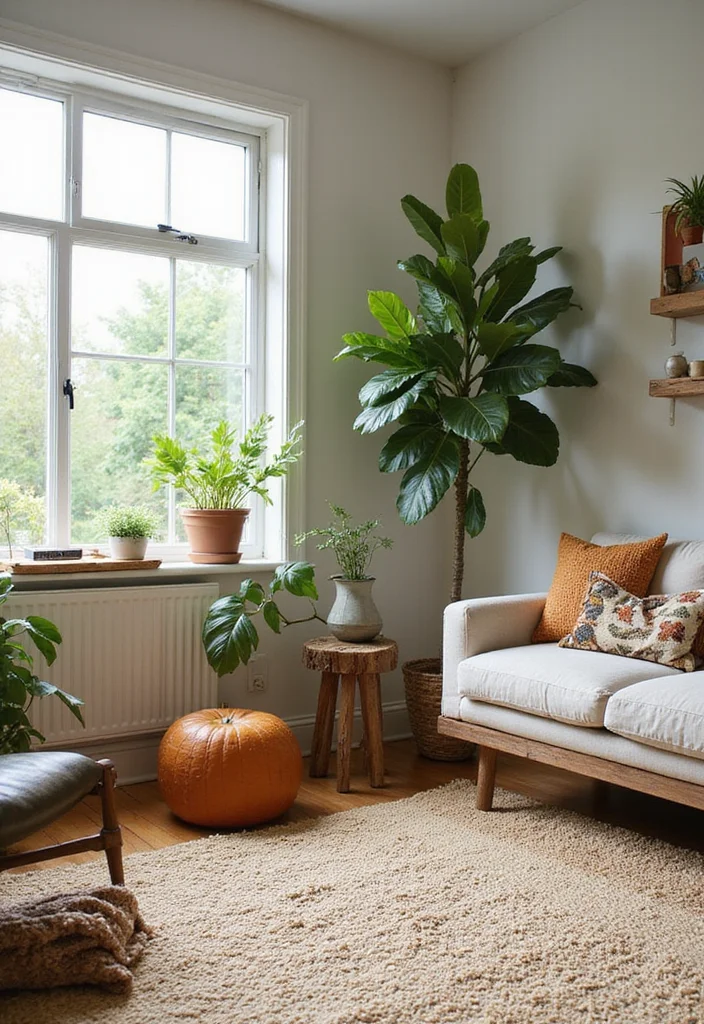
Sustainability in design is no longer just a trend; it’s a crucial part of thoughtful interior spaces. Utilizing eco-friendly materials such as reclaimed wood, bamboo, and recycled metals not only reduces your environmental footprint but also infuses your home with unique character and charm. These materials often have stories to tell, enriching the atmosphere of your living spaces.
Embracing sustainable design can be as simple as choosing locally sourced furniture or decorative items made from recycled materials. This commitment not only supports artisans but also leads to higher-quality, longer-lasting products. Adding plants to your decor can further enhance air quality and the overall aesthetic, creating a healthier environment.
Tips for sustainable design:
– Choose furniture from local artisans to reduce carbon footprint.
– Use low-VOC paints and finishes for healthier indoor air.
– Incorporate more plants to enhance both aesthetics and air quality.
By integrating eco-friendly materials, you not only beautify your home but also contribute to a more sustainable future, nurturing both your space and the planet.
3. Minimalism Meets Warmth
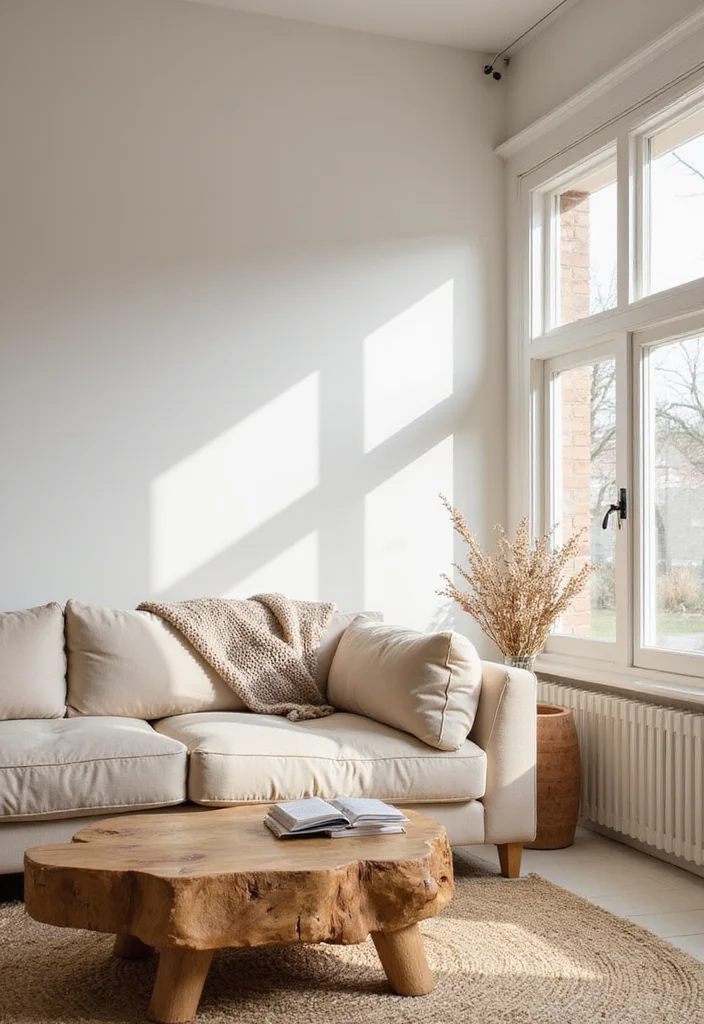
The shift in minimalism toward warmth has created serene spaces that feel inviting and uncluttered. This trend revolves around a careful selection of decor, focusing on quality over quantity while adding layers of texture and warmth. Picture a soft beige sofa paired with a textured woven throw, surrounded by natural wood accents that create a cozy yet minimalist vibe.
To achieve this style, opt for a neutral base palette and incorporate natural materials like wood and linen. This approach not only maintains simplicity but also invites comfort through carefully chosen pieces that add character. Aim for a few standout items that serve both functionality and aesthetic appeal.
Ways to achieve the minimalist warmth look:
– Select furniture that serves a purpose and offers comfort.
– Integrate a variety of textures, like a knitted throw or a jute rug, to add depth.
– Keep surfaces clear and only display curated decorative items.
By blending minimalism with warmth, you create a peaceful oasis that encourages relaxation and tranquility, making your home a haven of comfort.
You Might Also Like

4. Vintage and Retro Elements
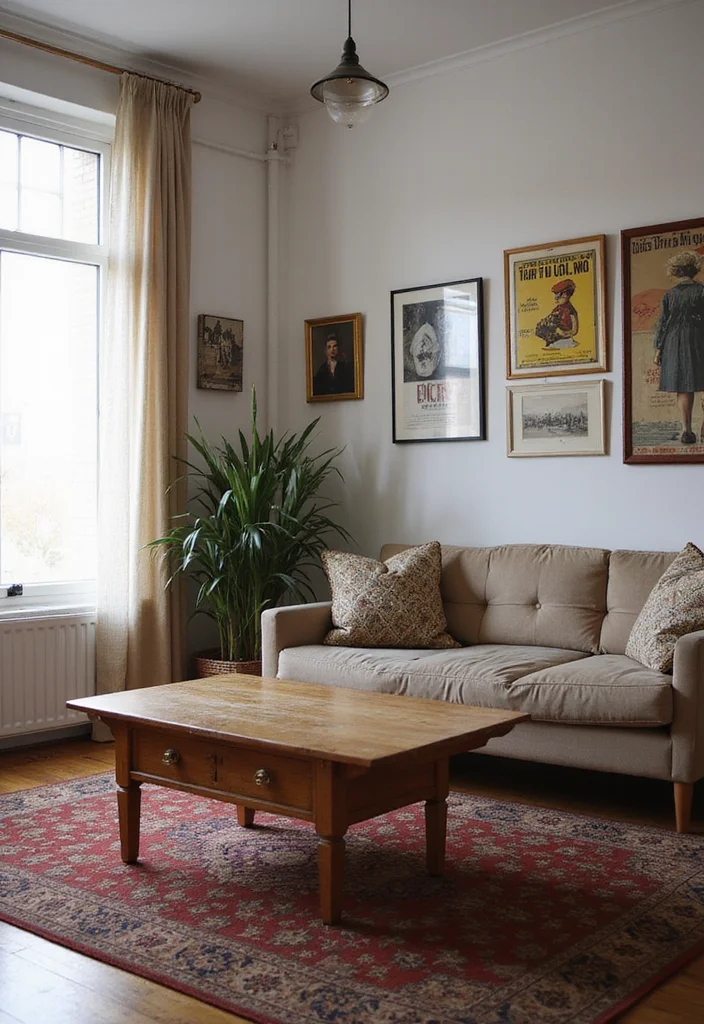
Incorporating vintage and retro elements into your decor is an excellent way to add character and warmth to your home. This trend celebrates the charm of bygone eras with unique pieces that tell a story and evoke nostalgia. Imagine a mid-century coffee table paired with contemporary art; this mix can create a visually stunning focal point in your living area.
To seamlessly blend vintage with modern elements, explore local thrift shops and flea markets for one-of-a-kind finds. Infusing retro patterns in textiles, such as curtains or cushions, can also bring warmth and color to your space. The key is to embrace the contrast, allowing different styles to coexist harmoniously.
How to incorporate vintage elements:
– Visit thrift stores, flea markets, or antique shops to find unique pieces.
– Use retro patterns in textiles like curtains or cushions to bring color and texture.
– Don’t hesitate to mix and match eras – contrast is key!
This trend sparks creativity and allows for personal expression, making your home feel deeply loved and uniquely yours.
📹 Related Video: HOW TO DECORATE MID CENTURY MODERN | super in depth guide ♥
5. Nature-Inspired Decor
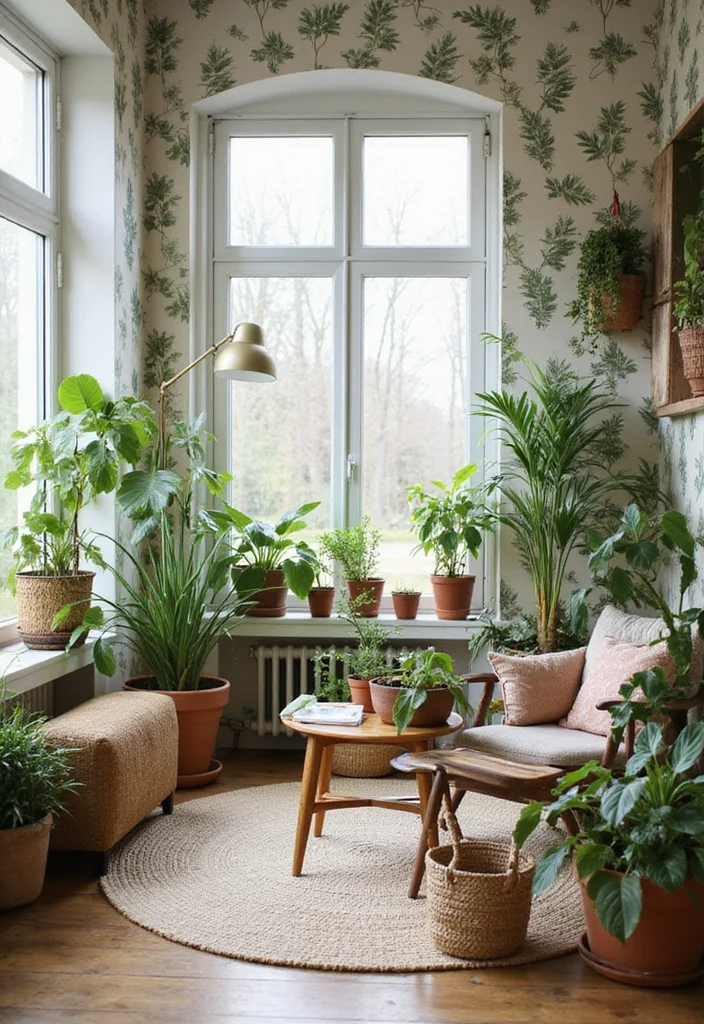
Nature-inspired decor beautifully reflects our desire for tranquility and connection to the outdoors. By incorporating organic shapes, earthy colors, and botanical prints, you can create a soothing atmosphere that brings the essence of nature into your home. Materials like stone, wood, and natural fibers can evoke a sense of calm and grounding.
Implementing nature-inspired elements is straightforward; consider a stone backsplash in your kitchen or wooden beams in your living room to enhance that rustic feel. Earthy color palettes, such as greens, browns, and soft blues, can further unify your design while creating a refreshing sanctuary.
Ideas for nature-inspired decor:
– Use botanical prints for wallpaper or cushions to introduce greenery.
– Add large potted plants or hanging planters throughout your home.
– Choose earthy color palettes that reflect the natural world, like greens, browns, and blues.
This nature-inspired approach not only enhances your decor but also promotes well-being, crafting a serene retreat from the hustle and bustle of daily life.
6. Multi-Functional Spaces
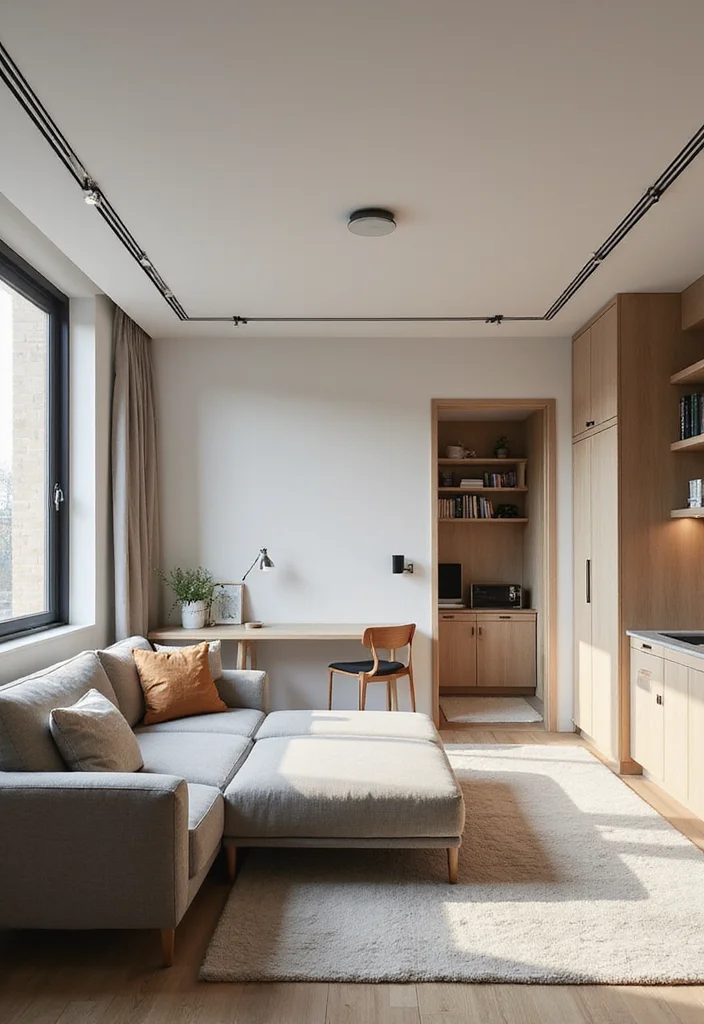
As our lifestyles evolve, the need for versatile spaces becomes increasingly essential. Multi-functional design focuses on creating rooms that serve more than one purpose, blending style with practicality. This trend is particularly valuable in smaller homes, where maximizing space is crucial.
For instance, consider transforming a guest bedroom into a stylish home office by incorporating a sleek desk and hidden storage solutions. Opting for furniture that serves multiple functions, like a sofa bed or an ottoman with storage, allows for flexibility without compromising style.
Tips for designing multi-functional spaces:
– Use furniture that can easily be moved or rearranged.
– Incorporate hidden storage to keep your space organized and clutter-free.
– Choose decor that complements both uses of the space, ensuring cohesion.
Creating multi-functional areas not only enhances your home’s functionality but also promotes a smooth flow between different activities, adapting to your lifestyle needs.
7. Textured Fabrics
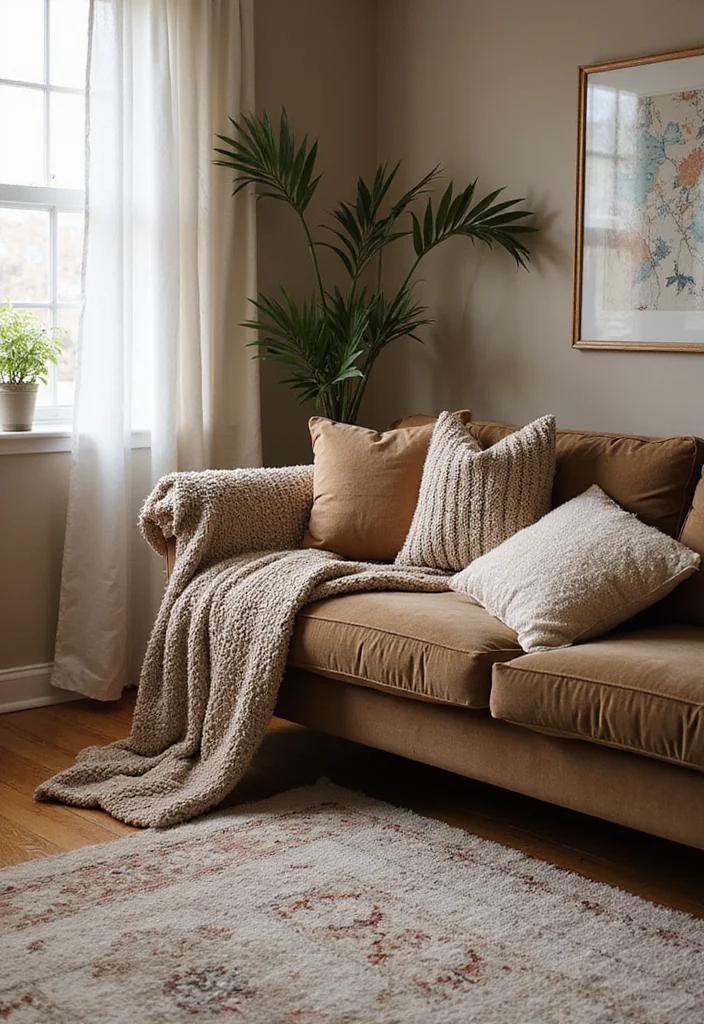
Textured fabrics are a delightful trend in interior design, adding depth and warmth to any room. From plush velvet to rugged linen, these materials invite touch and engagement, transforming ordinary spaces into cozy retreats. Layering various textures in cushions, curtains, and throws creates an inviting environment.
Imagine tossing a chunky knit blanket over a sleek leather sofa; this contrast not only adds visual interest but also warmth. Mixing textures can enhance the overall sensory experience of your home, making it feel more lived-in and welcoming.
Ways to incorporate textured fabrics:
– Mix a variety of materials for cushions to encourage a play of textures.
– Use layered curtains in sheer and heavier fabrics for visual interest.
– Consider rugs that feature different textures to define spaces within a room.
Textured fabrics enrich your home, creating a personal touch while enhancing the overall comfort and style.
8. Smart Home Technology
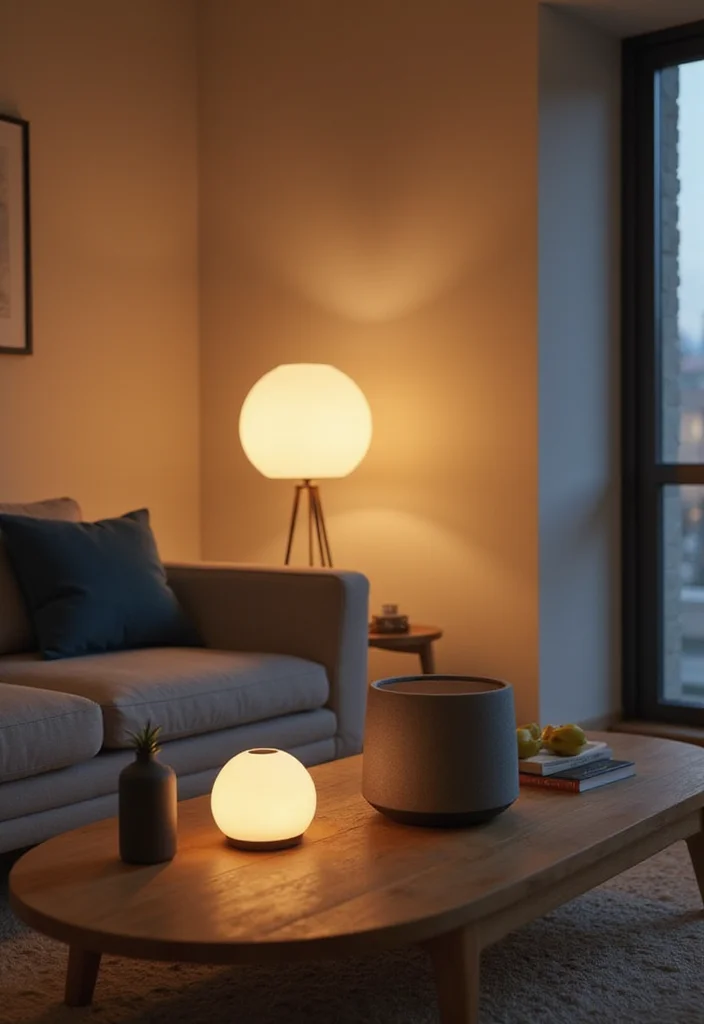
Smart home technology is becoming an integral part of modern interior design, enhancing how we interact with our living spaces. This trend incorporates devices that improve convenience and efficiency, such as smart lighting, thermostats, and security systems. Integrating technology seamlessly into your decor can create a sleek and contemporary aesthetic.
For example, smart bulbs that change color based on your mood can be controlled via your smartphone, elevating your living experience. Choosing stylish smart devices ensures they blend with your existing decor, enhancing both functionality and aesthetics.
Ways to incorporate smart technology:
– Choose elegant smart devices that blend with your decor style.
– Use smart speakers as decorative accents, enhancing both functionality and aesthetics.
– Implement automated systems for lighting and temperature to improve energy efficiency.
The rise of smart technology simplifies everyday tasks while opening up new possibilities for enhancing your living experience.
9. Curved Furniture
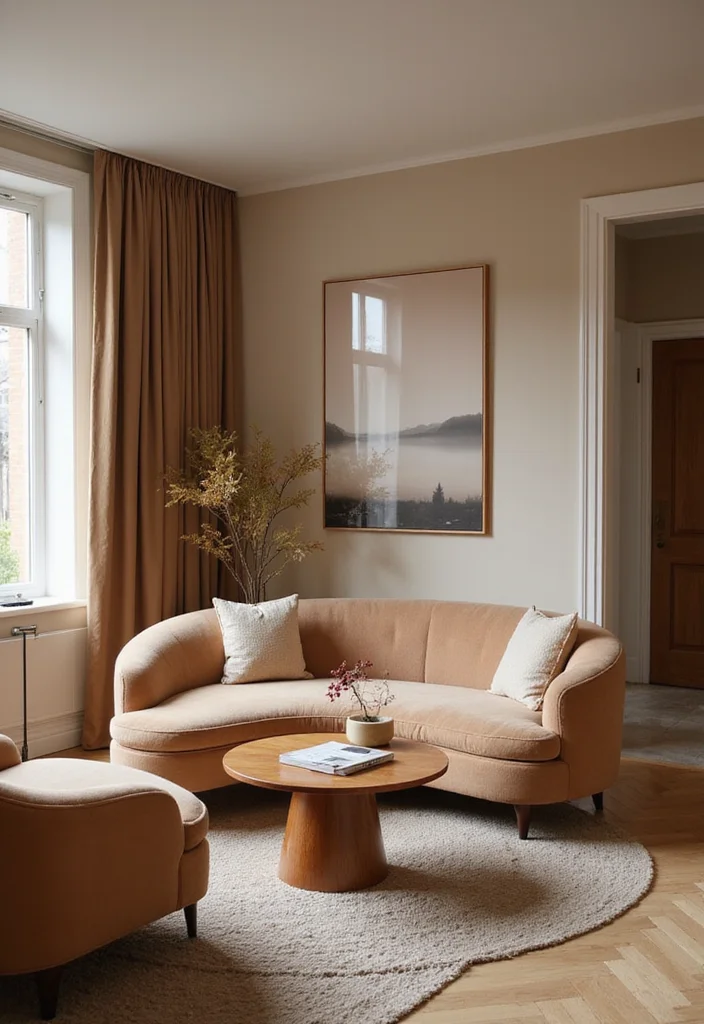
Curved furniture is gaining popularity, offering a softer aesthetic that contrasts with traditional straight lines. Curved designs create a sense of flow and movement, making spaces feel more inviting and approachable. Picture a rounded sectional sofa or an oval coffee table that adds a unique touch to your living area, softening harsh angles and creating a dynamic environment.
Incorporating curved furniture can enhance comfort and functionality, promoting relaxation and interaction. Mixing these elements with traditional pieces can create an exciting balance of styles that feels cohesive yet fresh.
Ideas for incorporating curved furniture:
– Opt for a circular dining table to encourage conversation.
– Choose sofas with rounded edges for a cozy, inviting feel.
– Mix curved elements with traditional pieces for an eclectic touch.
Curved furniture not only elevates the visual appeal of your space but also invites comfort, making your home a welcoming haven.
10. Playful Patterns
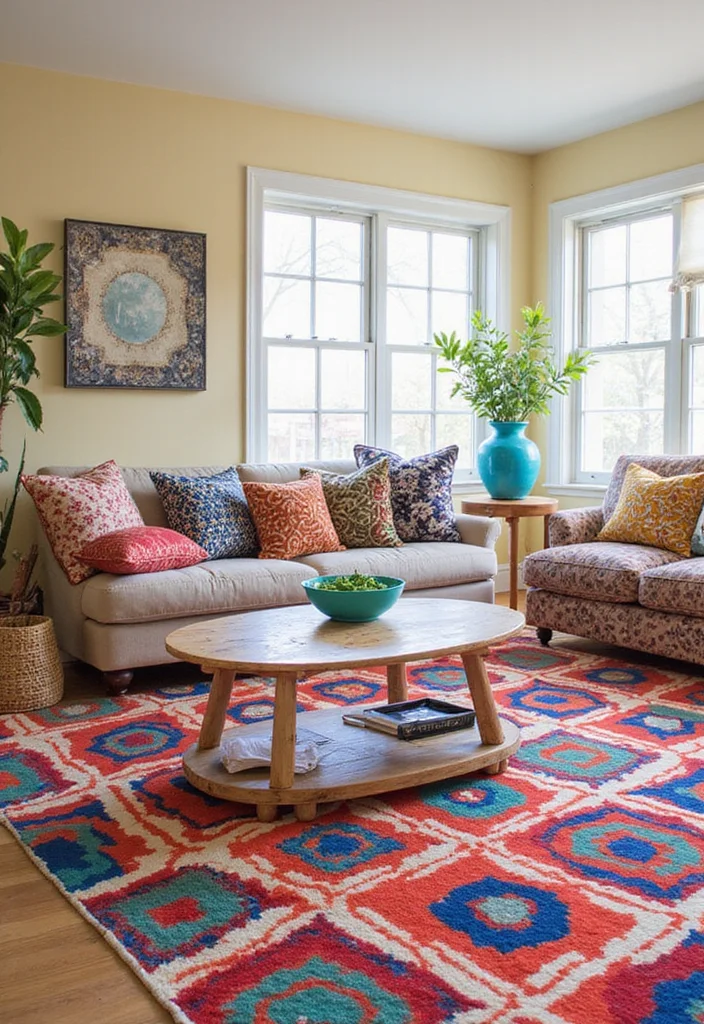
Incorporating playful patterns into your decor can infuse life and energy into your home. From geometric designs to whimsical florals, patterns can express your personality and create a vibrant atmosphere. Mixing and matching different patterns allows for an eye-catching, eclectic look that feels uniquely yours.
For instance, pairing patterned cushions with a floral rug can create a lively and dynamic environment. The key to successful pattern mixing is finding a balance, ensuring that different designs work together harmoniously.
How to play with patterns:
– Choose a common color palette to unify different patterns.
– Use larger patterns on focal points like walls or furniture, and smaller patterns in accessories.
– Don’t be afraid to mix different types of patterns, like stripes with florals for an unexpected twist.
Embracing playful patterns allows you to create a space that feels both joyful and inviting, striking a delightful balance between creativity and comfort.
11. Open Shelving
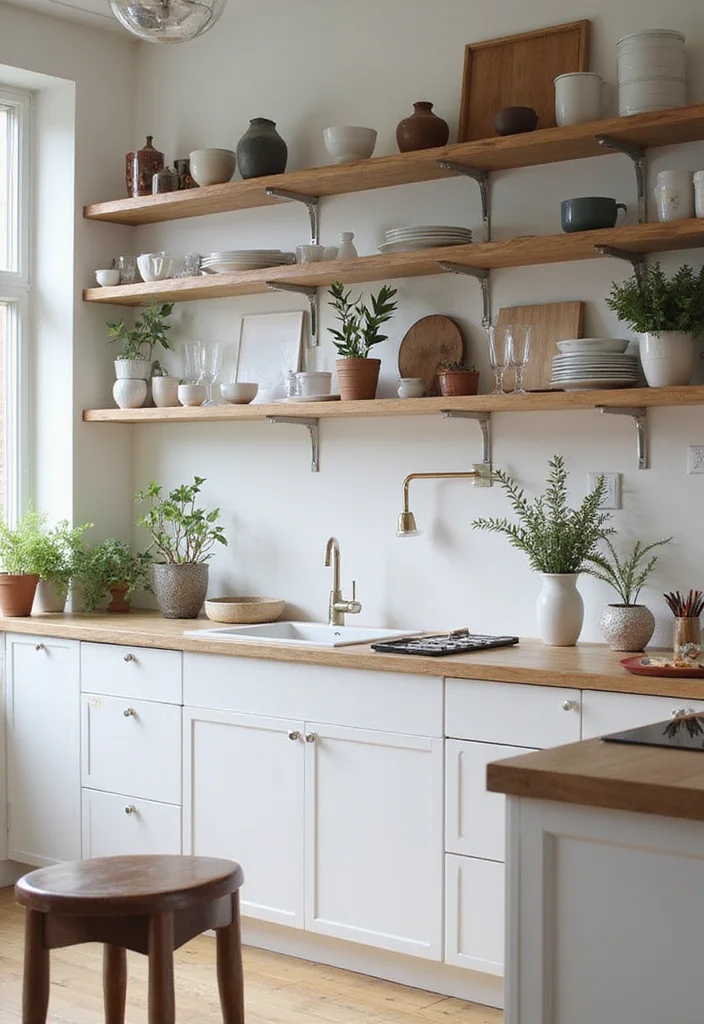
Open shelving is a design trend that merges functionality with aesthetic appeal, allowing you to display cherished items while keeping your space feeling airy. This approach works well in kitchens, living rooms, and even bathrooms, providing opportunities to showcase your personal style through decor. Instead of hiding everything away, open shelving invites creativity and expression.
Arranging books, plants, and decorative items on open shelves can add character and warmth to your space. Keeping similar items together creates a cohesive look, turning everyday objects into beautiful displays.
Tips for effective open shelving:
– Keep similar items together for a cohesive look.
– Incorporate a mix of textures, like ceramic and glass, to create visual interest.
– Rotate items seasonally to keep your decor fresh and engaging.
Open shelving enhances both storage options and personal expression, encouraging a space that feels uniquely yours.
12. Statement Lighting
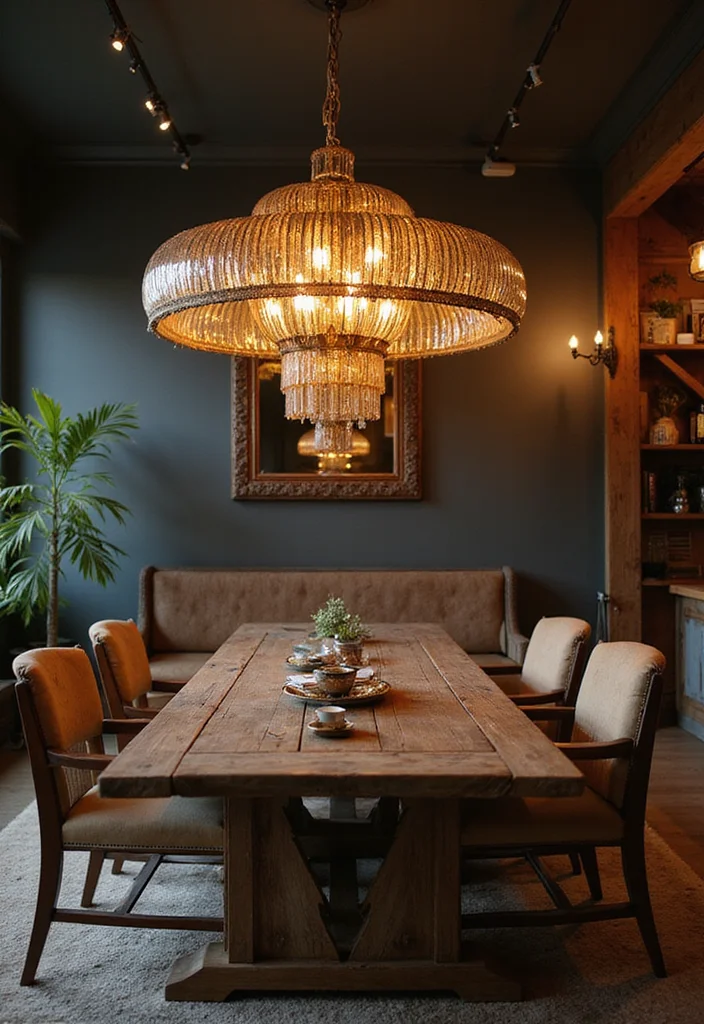
Statement lighting has become a captivating focal point in many homes, transforming ordinary spaces into extraordinary ones. Bold, artistic light fixtures serve as standalone pieces of art, drawing attention and infusing character into your space. Whether it’s a stunning chandelier or a unique floor lamp, statement lighting can redefine a room’s ambiance.
This trend encourages you to explore lighting options beyond the conventional, selecting fixtures that resonate with your personal style. A striking pendant light above the dining table not only illuminates the space but also elevates the dining experience.
Ways to incorporate statement lighting:
– Choose oversized fixtures to make a bold impact.
– Mix and match different styles of lighting for a unique aesthetic.
– Ensure your lighting complements the overall design theme of your space.
Incorporating statement lighting not only enhances functionality but also creates a stunning visual statement, setting the mood for your home.
13. Layering Rugs
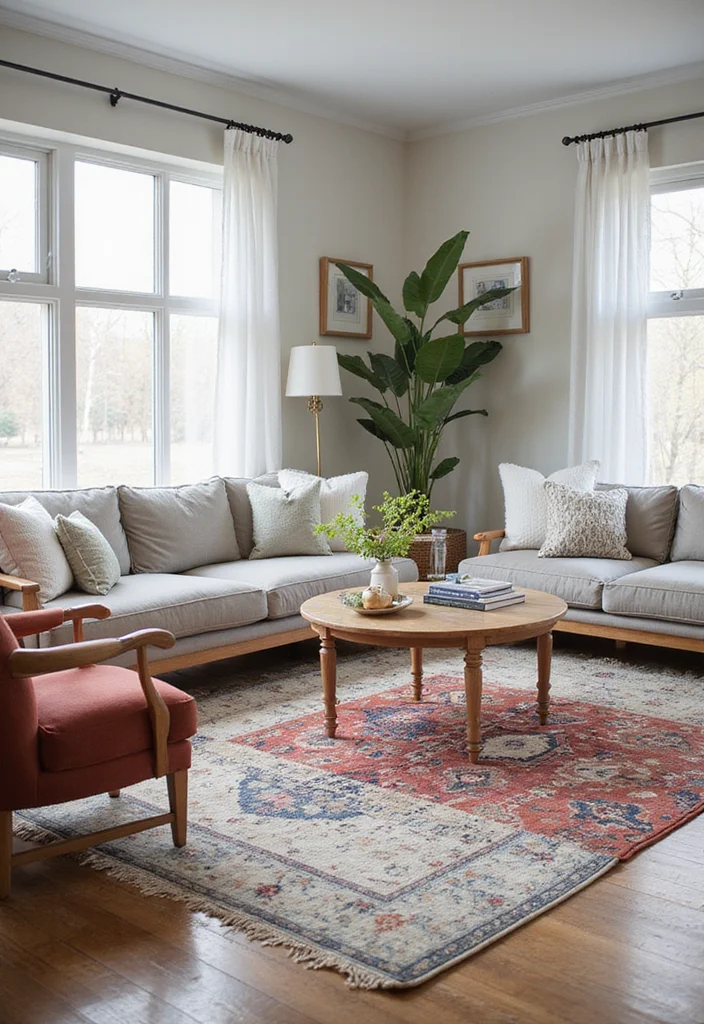
Layering rugs is a delightful way to add depth and warmth to your floors. This trend allows for the mixing of different textures and patterns, creating a cozy ambiance. By combining a larger, neutral rug with a smaller, patterned one, you can enhance aesthetics and define different areas within a room.
Layered rugs work especially well in larger spaces, helping to create intimacy or delineate areas, such as a sitting nook within a living room. This approach invites comfort and visual interest, allowing for personal expression.
Tips for successful rug layering:
– Play with sizes, shapes, and textures for an eclectic look.
– Use a neutral base rug to anchor the space while adding colorful or bold patterns on top.
– Ensure the rugs are of similar colors for a cohesive look.
Rug layering not only adds comfort underfoot but also introduces a sense of style and personality to your home.
14. Personalized Decor
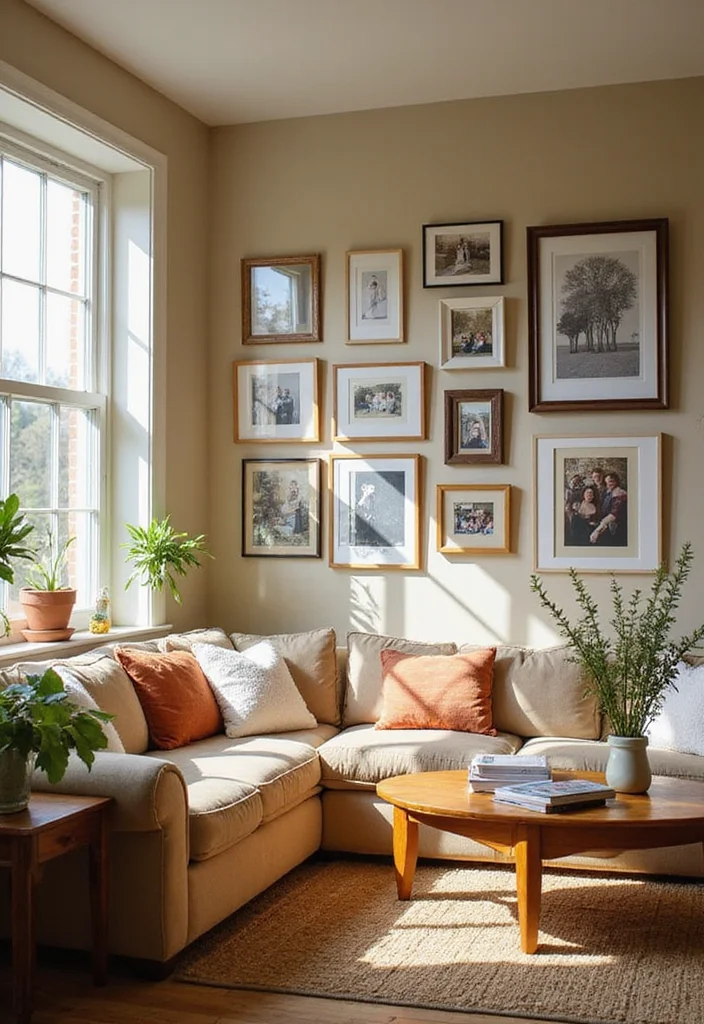
Personalized decor is a heartwarming trend that allows you to showcase your unique story and style throughout your home. This could include family photos, artwork created by loved ones, or cherished souvenirs from your travels, each piece narrating a part of your life. Incorporating personalized items makes a space feel lived-in and cherished, creating warmth and connection.
Displaying framed photos on an eclectic gallery wall or using custom-made pieces as focal points can truly make your home your own. This approach fosters a sense of belonging, making your space feel inviting and reflective of your personality.
Ways to personalize your decor:
– Create a dedicated space for family photos or art.
– Incorporate mementos that evoke happy memories.
– Use color and style to unify the personalized items with your overall decor.
Personalized decor adds character and richness to your home, transforming it into a true reflection of who you are.
15. Outdoor-Inspired Spaces
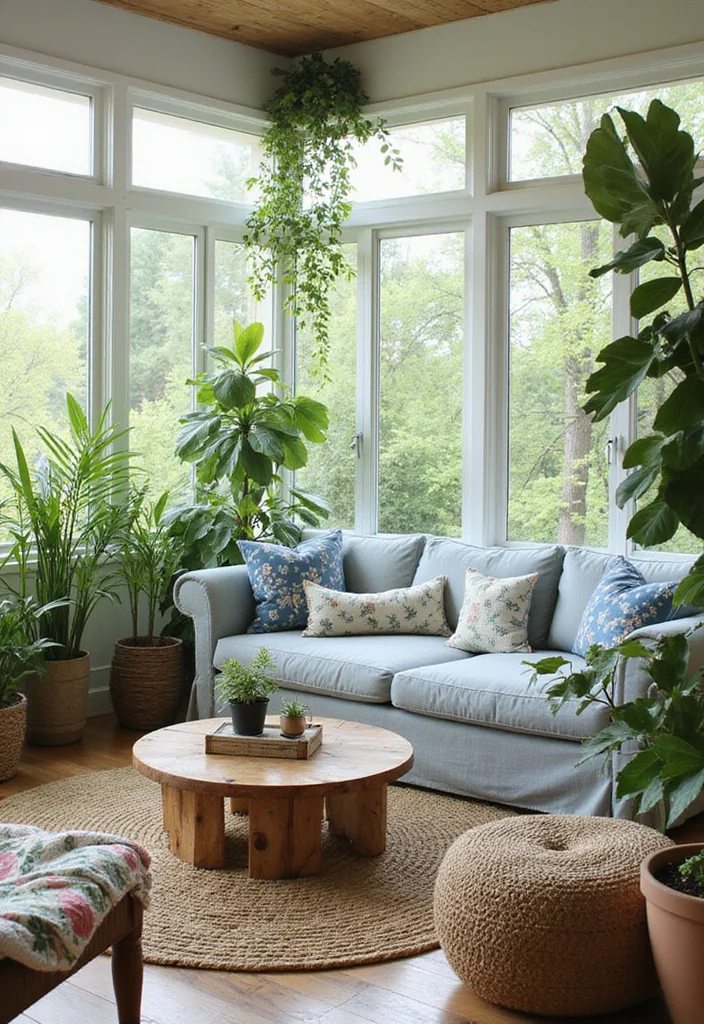
Bringing the outdoors in is a fabulous trend that can enliven your home, creating a bright and expansive feel. This approach often includes natural materials, lively colors, and floral patterns, crafting a vibrant atmosphere reminiscent of nature. Incorporating large windows or sliding doors enhances the connection between your indoor and outdoor spaces, blurring the lines between the two.
Consider adding natural features like stone walls or wooden beams to mimic outdoor scenery. A color palette inspired by nature, including greens, blues, and earthy browns, can help create an inviting indoor oasis.
Ways to create outdoor-inspired spaces:
– Use large plants or even indoor trees to bring life to your interiors.
– Choose colors and patterns that reflect outdoor elements.
– Incorporate natural light through large windows or skylights to enhance the illusion of being outside.
This trend invites tranquility and refreshment into your home, creating a sanctuary that feels connected to nature.
16. Color Blocking
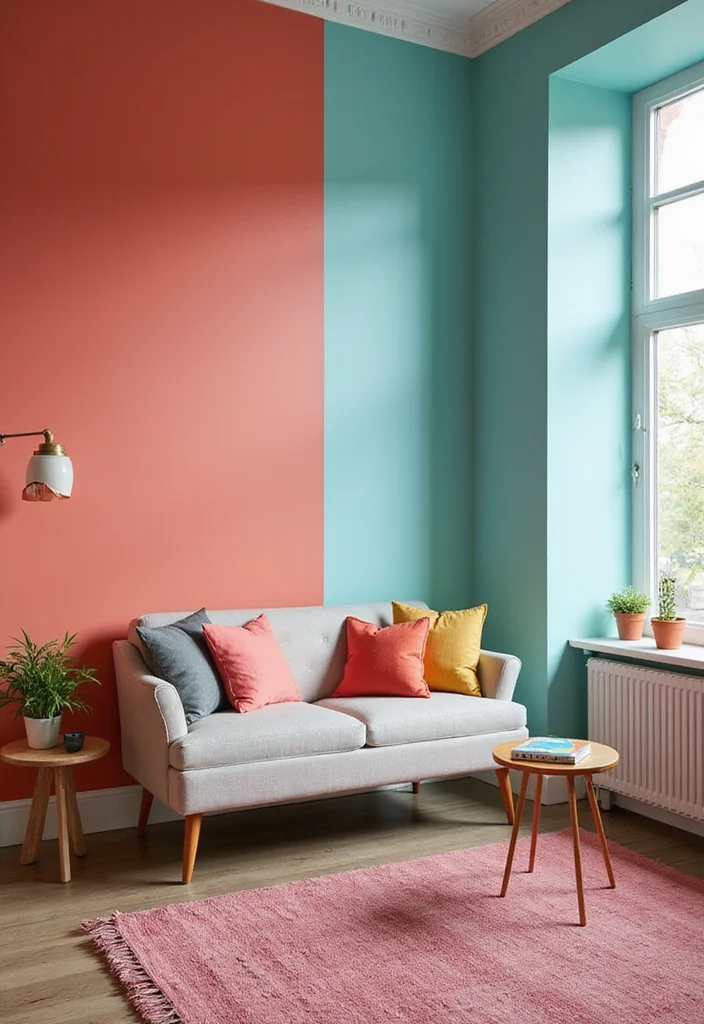
Color blocking is a vibrant design trend that boldly plays with color, pairing contrasting hues to create striking visual interest. This technique involves strategically blocking colors across walls, furniture, and decor, adding dramatic flair to your space. For instance, painting one wall a vivid yellow while another remains a deep navy can create a stunning contrast that energizes the room.
Accessorizing with decor items in complementary colors can bring unity to the overall look, enhancing your interior style. This playful approach to color allows for creative expression, reflecting your personality and style choices.
Tips for effective color blocking:
– Choose a primary color palette that resonates with your style.
– Use neutral tones to ground the vibrant colors and balance the look.
– Experiment with different shapes and sizes in color-blocking elements.
Color blocking can invigorate your home, showcasing your creative spirit and making bold statements in your decor.
17. Monochromatic Schemes
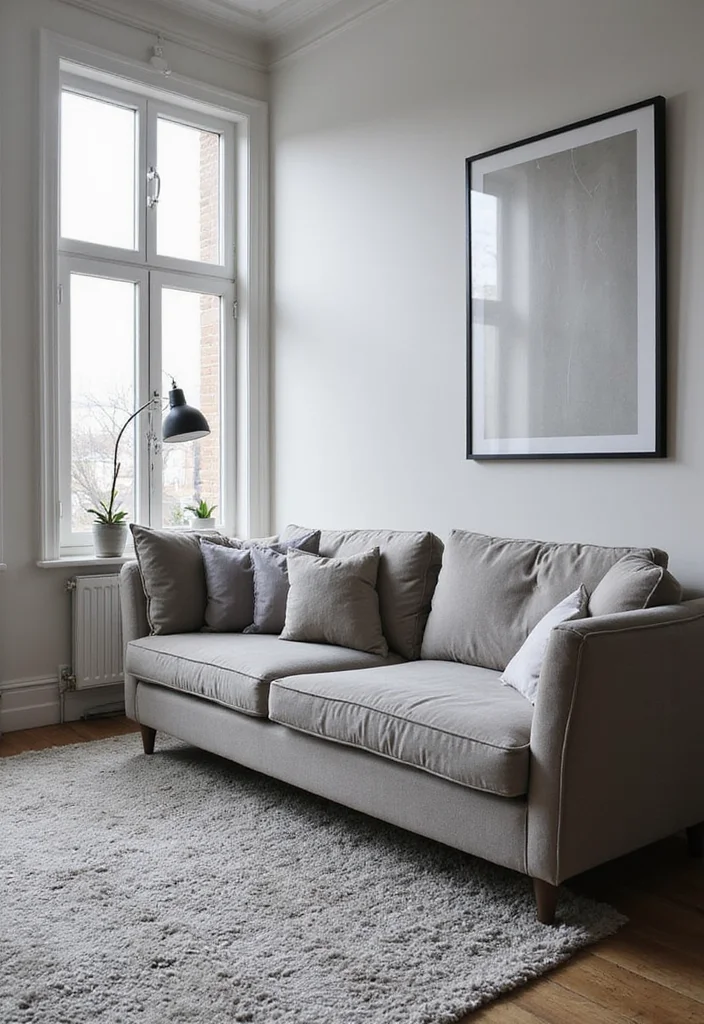
Monochromatic color schemes provide a timeless and elegant approach to interior design, allowing for a clean and cohesive look. This trend focuses on using various shades of a single color to create depth and interest without overwhelming your space. By playing with textures, patterns, and materials, you can maintain visual engagement within your design.
For example, different shades of grey can enrich your decor through furniture, textiles, and accessories, resulting in a sophisticated atmosphere. Incorporating various textures, such as a plush shag rug or smooth leather, can enhance the monochrome design while adding warmth.
Benefits of monochromatic schemes:
– They create a serene and calming atmosphere.
– This scheme helps highlight architectural features and decor elements.
– It’s easy to incorporate personal accents without clashing colors.
Monochromatic schemes inspire creativity and elegance, allowing you to curate a space that feels both refined and inviting.
18. Artisan Craftsmanship
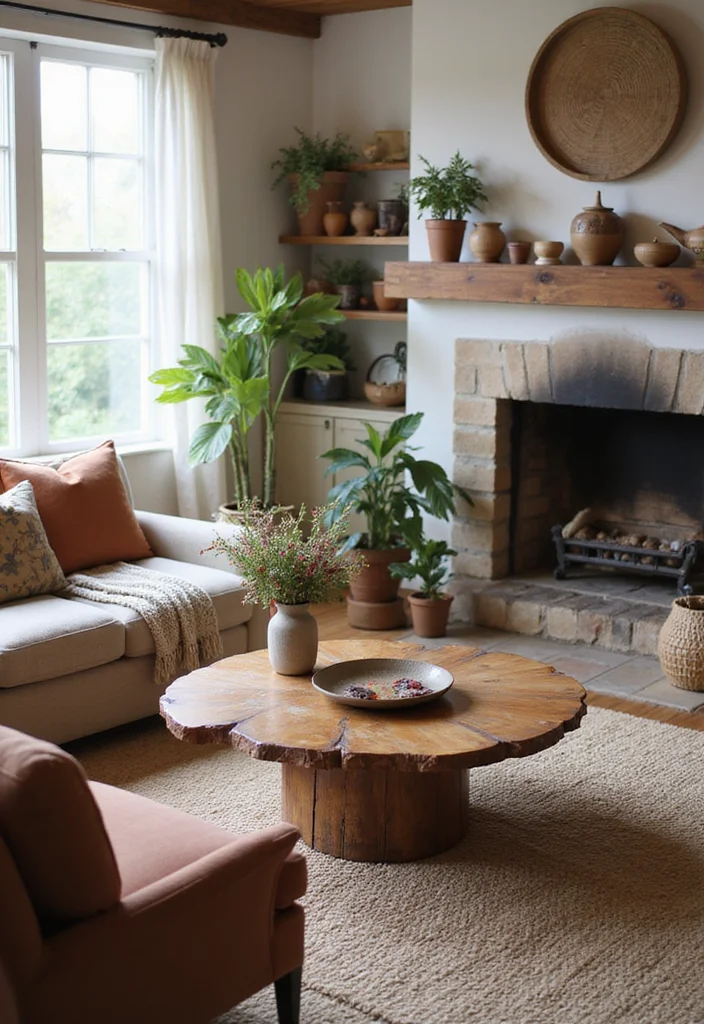
Artisan craftsmanship is experiencing a resurgence as people seek unique, quality pieces that showcase skilled workmanship. This trend emphasizes handmade items, from furniture to decorative accents, highlighting the stories and craftsmanship behind each piece. Investing in artisan-made decor not only supports local artisans but also adds character to your home.
Consider displaying handmade pottery, custom woodwork, or textiles woven by local artisans. These pieces often carry a narrative, bringing a distinct touch to your space that mass-produced items cannot replicate.
Ways to incorporate artisan craftsmanship:
– Visit local markets or artisan fairs to find one-of-a-kind pieces.
– Choose a statement piece that acts as a focal point in your space.
– Mix artisan items with modern decor for a balanced look.
By embracing artisan craftsmanship, you create a space filled with individuality, celebrating the beauty of handmade work and the stories they tell.
19. Biophilic Design
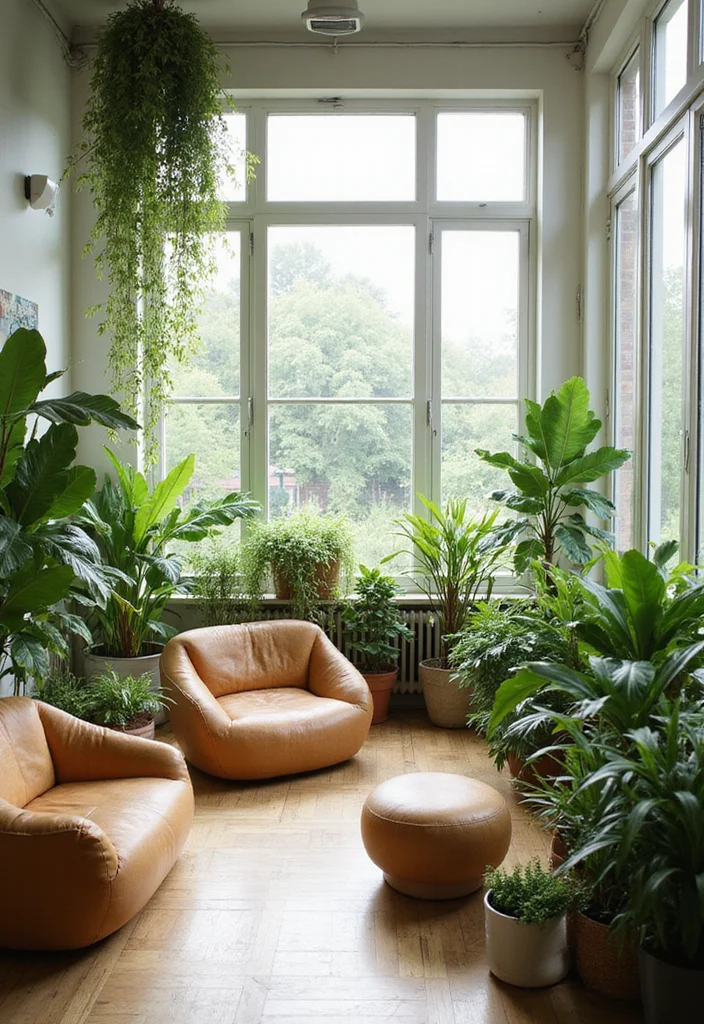
Biophilic design enhances our connection to nature within interior spaces, promoting well-being and mindfulness. This trend emphasizes integrating natural elements and materials, helping to create environments that foster tranquility. Incorporating plants, natural light, and organic shapes into your design can significantly elevate your living experience.
To embrace biophilic design, consider adding large plants throughout your home or utilizing materials like stone and wood in your decor. Creating spaces that prioritize natural light not only enhances the overall design but also uplifts your mood and atmosphere.
Ways to implement biophilic design:
– Incorporate large windows or skylights to maximize natural light.
– Use plants as decor elements to improve air quality and aesthetics.
– Choose furniture and decor that feature organic shapes and patterns.
Biophilic design fosters a sense of peace and harmony, offering a refreshing escape that resonates with our inherent connection to nature.
Conclusion
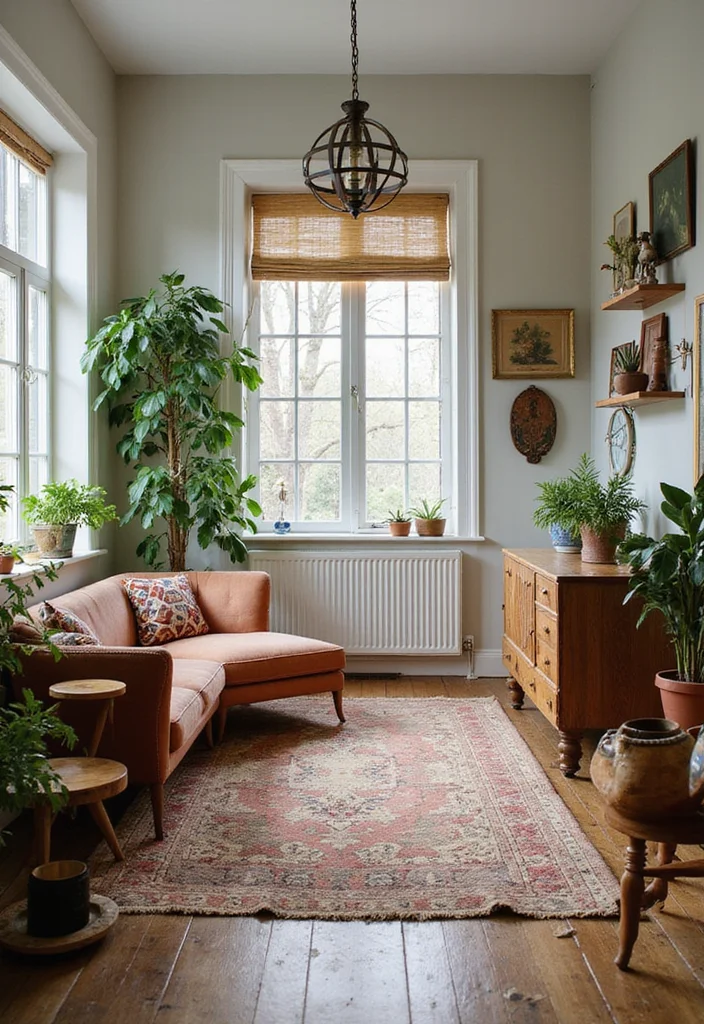
Embracing these 19 interior design trends can transform your home into a stylish sanctuary that reflects your unique personality. From bold colors to sustainable materials, each trend offers an opportunity to create a space that feels comfortable and inviting.
As you explore these ideas, remember that your home should be a canvas for your creativity, a reflection of who you are, and a place that brings you joy. Start small, experiment, and watch your space come alive with these exciting trends.
Frequently Asked Questions
What interior design trends should I know to refresh my home decor style?
To refresh your space with interior design trends, start by choosing ideas that match your style and daily life. Think about natural materials, warm neutrals, curved furniture, and subtle biophilic touches that connect indoors with nature.
Build a quick mood board with 3-5 elements, then test ideas with small updates: swapping cushions, adding a textured rug, or introducing statement lighting. If a trend feels bold, blend it with your existing decor so your space remains cohesive and personal.
Remember: trends should enhance comfort and practicality first, not overwhelm your home.
How can I apply these interior design trends on a budget without sacrificing style?
Embracing interior design trends on a budget is totally doable. Start with a clear plan: pick 2-3 trend ideas that excite you and align with your decor goals.
Update the look with affordable moves: repaint walls, switch out textiles like pillows and curtains, add a textured rug, or swap hardware on cabinets. Thrift stores and resale shops can yield high-impact pieces at a fraction of the cost. Use removable wallpaper or decals for a temporary but dramatic change. Finally, curate a few well-chosen pieces rather than a full overhaul to keep the space balanced and stylish.
How can I mix trending decor with my existing style without clashing?
Treat trends as accents that complement your existing style. Start with a neutral foundation so you can layer in trendy touches without losing harmony.
Choose one focal trend and echo it across accessories—think a textured throw, a sculptural lamp, or a single wallpapered wall—while keeping other elements classic. Pay attention to color and material consistency, and avoid mixing too many metals or patterns in the same space. The result should feel fresh, not chaotic.
Which interior design trends work best for small spaces or apartments?
For small spaces, prioritize function and scale. Look for trends that maximize storage and light: multifunctional furniture, light colors, big mirrors, and strategic lighting. Use vertical storage and floating shelves to keep floors clear, and choose a few statement textures rather than large pieces. Plan around 2-3 trending ideas like biophilic greenery, warm-toned neutrals, or curved furniture, but ensure each item serves a purpose. Use sample swatches and layout renders to test before committing.
What common mistakes should I avoid when implementing interior design trends?
Avoid letting trends overpower your home. Common mistakes include cluttering spaces with too many new items, chasing trends without considering function, and ignoring lighting, scale, or natural light. To prevent this, start with a clear plan, invest in a versatile base, and test trend ideas with small updates before a full makeover. Remember to balance texture, color, and form for a cohesive look that lasts.
Related Topics
interior design trends
home decor
modern style
minimalist design
vintage decor
sustainable materials
color palettes
beginner friendly
quick updates
bohemian style
open concept
seasonal decor